
Kaga and Hiromi’s Contest of Control
The Final CurtainThe tension between Kyoichiro Kaga and Hiromi Asai grows from guarded conversation into a test of observation, bluff, and moral understanding.
increasing Bearing strength in each event
 decreasing
Bearing strength in each eventdecreasingA Measured Interview
Questions Behind Courtesy
The first account
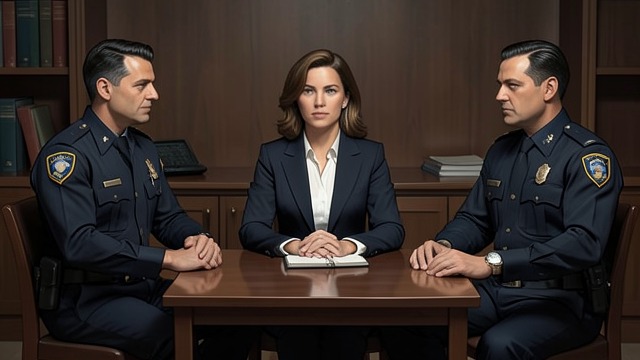
Hiromi Asai receives detectives Matsumiya and Sakagami after Michiko Oshitani’s body is identified. She quickly supplies the date of their meeting and acknowledges that Oshitani asked her to visit the older woman believed to be her mother. Asai says she refused, describing the exchange as painful but ordinary.
A performance of composure
The detectives ask when Oshitani left and whether she mentioned what she would do next. Asai answers that her friend intended to return to Shiga that night. Her calm delivery may be genuine, but the interview leaves investigators with no direct evidence of hostility or opportunity.
Asai’s refusal to ask about her mother’s welfare sharpens the emotional subtext. She insists that the woman has no place in her life, while the detectives register the severity of that rejection. The interview ends politely, but both sides understand that the other may be withholding something.
The Personal Connection
An Offer Declined
A familiar face
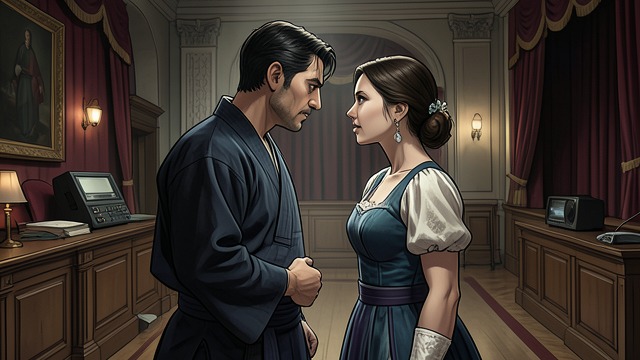
Kyoichiro Kaga meets Hiromi Asai at the Meijiza Theater, where she is directing a celebrated production. Their earlier connection comes from his having taught kendo to child actors she brought to a police workshop. Their conversation begins as a reunion between acquaintances, with Kaga congratulating her on reaching a theater that matters deeply to her.
The investigative opening
Asai tells Kaga that the police have questioned her about Oshitani. She appears to want information about the investigation and asks whether Kaga could find out what is happening. He offers to speak with contacts in the homicide division, creating an opening through which she might learn how closely investigators are watching her.
She abruptly withdraws the request, apologizing and saying she does not want to trouble him. Kaga does not press her, but her change of mind leaves an unresolved question: was she simply reconsidering an improper favor, or did she recognize that information from him could expose her? Their personal rapport becomes inseparable from the case’s uncertainty.
The Bridge Photograph
Recognition Under Pressure
The image presented
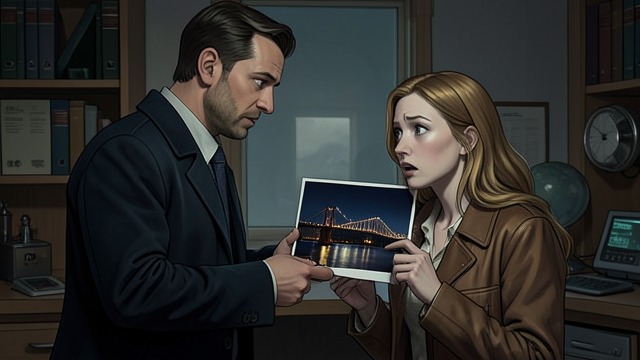
Kaga visits Asai again and shows her a photograph taken at Nihonbashi Bridge Washing. She recognizes herself in the image and says she did not know she had been photographed. Kaga asks whether she attended the event with someone and whether she has a particular interest in bridges.
A denial and a bluff
He next claims that a witness saw her near Yanagibashi Bridge in January. Asai denies ever having been there and does not waver. Kaga explains the proposed course of bridges, a monthly sequence that may have served as meeting places, but Asai says she has no idea what the list means.
Kaga has no actual witness for the January sighting; he is testing whether an assumed pattern will unsettle her. Asai recognizes the maneuver after he leaves and understands that his theory is close enough to frighten her, but not yet complete enough to establish her guilt. The encounter shifts the contest from ordinary questioning to strategic deception.
The Address Exposed
A Coincidence Unravels
The explanation challenged
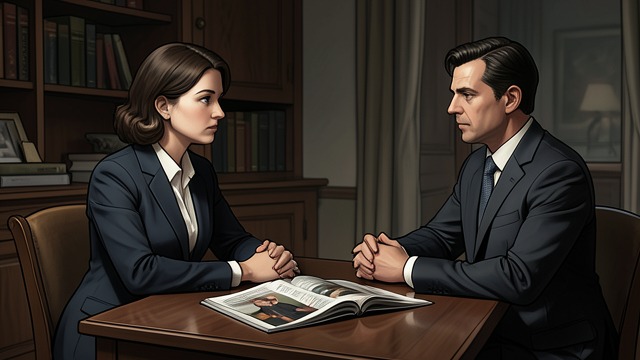
Kaga asks Hiromi Asai why she once sought his private address through journalist Machiko Yoneoka. Asai claims that she was researching kendo for a play, found an old magazine in a secondhand bookstore, and eventually abandoned the project. She presents their later meeting at the workshop as an extraordinary coincidence.
The contradiction
Kaga points out that the magazine carrying his interview was years out of date and unlikely to be on an ordinary bookstore shelf. Asai adapts her explanation, saying it came from a used-book shop in Kanda, but cannot identify the store. She then dismisses any personal interest in Kaga, trying to reduce the exchange to an inconsequential misunderstanding.
Kaga’s companion, Tokiko Kanamori, silently watches the encounter. The interview’s real significance is not yet stated, but the old request for an address now looks less like casual research and more like an intentional search for the son of a woman Asai’s father trusted.
The Final Confrontation
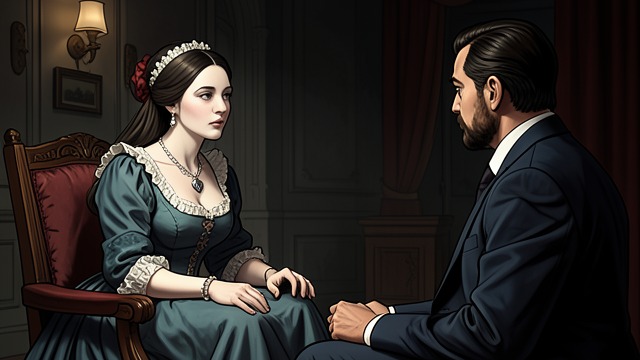
The Family Secret Cornered
A reconstructed past
Kaga challenges Hiromi Asai with the contradictions surrounding her father’s reported suicide. Her former classmates recall neither his death nor the reason she disappeared from school. Kaga argues that she and Tadao left home before his supposed death, and that the account given to the orphanage concealed a different history.
The cost of the truth
Asai does not confess. She mocks Kaga’s certainty and asks what crime would follow even if his theory were right. Kaga answers with a story about a dying mother who wanted to watch her children’s lives continue, forcing the question of parental love into the confrontation without directly accusing Asai of murder.
Asai’s response reveals the pressure of the encounter: she nearly faints, then insists that the story is beautiful. Kaga leaves her with the prospect that the truth will be proved. After her final performance, investigators ask her to accompany them and request an official paternity test. The struggle over what can be said ends as a question of evidence and accountability.
Soon after the murder, at Hiromi Asai’s office
Several days later, during Kaga’s visit to the Meijiza Theater
After the bridge investigation uncovers a photograph from eight years earlier
Late in the investigation, during Kaga’s home visit with Tokiko Kanamori
On the day of the final performance, before Asai is taken to the station
